How do you celebrate the new year? Though traditions vary widely, one common theme among new year celebrations is food! Learn a little bit about the relationship between the new year and food from countries around the world in the excerpt below. Find the full chapter in our Food, Feasts, and Faith: An Encyclopedia of Food Culture in World Religions encyclopedia here.
New Year’s Day is a time to visit a place of worship and offer thanks or make supplications for good fortune in the coming year. Telling stories or recounting religious history reminds people of the meaning of faith. In a quiet celebration, Muslims attending mosques listen to the hegira, which tells the story of the prophet Muhammad’s historic flight from Mecca to Medina. For many, though, New Year is a time for conviviality and for feasting.
Around the world there are lots of examples of foods traditionally eaten at New Year. Some of these are considered especially auspicious or lucky. Peas and beans can represent financial security because when cooked they swell up, symbolizing increase. Hoppin’ John is a dish of black-eyed peas and rice that is eaten in the southern United States along with greens such as cabbage, kale, or collard. The peas represent coins, while the greens represent folded money.
We also browsed through our AtoZ World Food database for New Year’s recipes used by nations and cultures around the world that celebrate the new year on January 1. Read a bit about them below, and click the dish title to be linked to the recipe. Alternately, you can search for the dish name once you log in to the database.
Note that you'll be asked to log in to the AtoZ World Food database the first time you select a link from below. You should only need to login once. TIP: Hold the Ctrl button (bottom left of your keyboard) while you click the link. That way, the link will open in a new browser window and you'll easily be able to switch back to this blog post for reference.
Australia -- An important dish in both Australian and New Zealand cuisines, pavlova is named after the famous Russian dancer Anna Pavlova, who made several tours to Australia and New Zealand in the 1920s. Eaten year-round in Australian households, the dessert consists of fresh fruit and whipped cream served in a "bowl" made of meringue. The largest-ever pavlova was made in 2010 in New Zealand, when a chef created a rugby-themed pavlova 50 square meters (164 square feet) in size.
Belgium and the Netherlands -- Oliebollen (oily balls) are deep-fried Dutch doughnuts with raisins and/or apple chunks added to the dough. They are traditionally baked and eaten on New Year's Eve. Legend has it that as the Germanic goddess Perchta offered food to appease evil spirits, she would cut open the stomachs of all she came across. The fat in oliebollen was said to cause her sword to slide off the bellies of all who ate them, so eat oliebollen in self-defense!
Cyprus -- Vasilopitais a pound cake baked by Cypriots to welcome the first day of the New Year. This is a time-honored tradition in Greece and countries in the Balkans and Eastern Europe. Traditionally, a lucky coin is baked into the bread. At midnight on New Year’s Eve, the lucky person who is served the piece of vasilopita that contains the coin is supposedly blessed for the coming year, and well on their way to good fortune. Vasilopita honors the life of St. Basil the Great.
El Salvador -- Leche Poleada (vanilla custard) This vanilla custard makes a smooth finish to a Salvadoran meal, or a sweet filling for plantain empanadas. A good recipe for the no-frills cook, it requires only 5 ingredients and a few minutes of time. It is a popular treat on New Year's Eve, or at any time of the year. It is also commonly found as street food in markets, where it is served on corn husk boats.
Georgia -- Pelamushi is a Georgian dessert made from a simple list of ingredients: condensed grape juice, wheat or corn flour, and sugar. The result, the consistency of a pudding or porridge, often appears at New Year's celebrations. Some recipes garnish pelamushi with whole or chopped walnuts.
Germany -- These addicting rum balls are a favorite at Christmas and the New Year. Simple to make, they look and taste exquisite, with a crunchy candy exterior giving way to a smooth, buttery center that melts on the tongue. Rumkugeln make a great gift for a host or hostess or can be enjoyed with a glass of red wine or strong coffee. Variations include finely chopped walnuts or almonds.
Guyana -- Black cake is a Guyanese celebratory dessert, inviting good fortune and prosperity at New Year’s and special events like weddings and christenings. Advance preparation is key to soaking dried fruit in rum, and is done ideally weeks or even months ahead. This rich fruit cake is similar to the British figgy plum pudding—but with its own unique take on using rum, black molasses, and local dried fruit. A similar cake is made in Jamaica, though the recipe differs slightly. Check it out here.
Honduras -- Nacatamales, a variation of tamales, are originally from Nicaragua, but very popular in Honduras as well. They are typically prepared for Christmas and New Year celebrations by women highly experienced in the process. Nacatamales are often eaten with frijoles fritos and tortillas on the side, and ketchup, lemon, or chili can be added to enhance their flavor.
Italy -- A New Year’s specialty dish from Modena, cotechino is a fresh sausage that is typically served with cannelloni beans or lentils and mashed potatoes. This legacy dish honors every part of the animal with no parts wasted. For example, frugal farmers with large families to feed will incorporate pig skin to bulk up the content.
Japan -- Kuri kinton is chestnuts in mashed sweet potatoes, a traditional Japanese side dish served on New Year’s to symbolize prosperity and abundance in the year ahead. Thus, the significance of kuri kinton’s golden color is to attract wealth, even as it offers a sweet contribution to the festivities. More striking to the cook is this dish's transformation from its white raw state into a golden yellow upon cooking, with a slightly nutty flavor and an aroma akin to sesame.
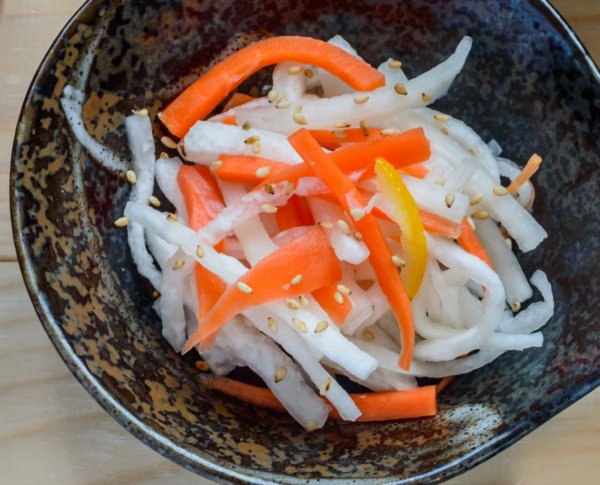
Namasu is eaten to symbolically welcome the New Year. The colors of this Japanese salad signify happiness and good luck—stemming from daikon’s white and carrot’s reddish-golden yellow. It’s best to prepare namasu a day ahead so it pickles and the flavors meld nicely. In fact, most people prefer pickled namasu because it softens daikon’s astringency. Refrigerate up to a week in airtight glass jars.
Mexico -- Romeritos, a dish from southern Mexico, is usually served for Christmas, New Year’s, and Lent. Romero means “rosemary” in English, but in this case, the diminutive romerito doesn't refer to that kind of plant, but to a very different one whose scientific name is Suaeda calceoliformis. The stem and leaves of this wild plant are edible and very tender. Unlike rosemary, romeritos (also called romerillos and quelite salado, or seepweed in English) have no aroma.
Peru -- Adobo de cerdo, or Peruvian braised pork, reflects indigenous Inca cooking with chicha de jora (corn beer), in combination with Spanish adobo-style cuisine in stewing pork with vinegar and cumin. This classic dish is a New Year’s tradition in Peru that is still popular today.
Romania -- Cozonac, a traditional leavened bread, is a holiday staple in Romania, prepared for Easter, Pentecost, Christmas, and New Year’s Day. While its sweet, egg-enriched dough is made similarly throughout the country, the choice of filling differs by region. This recipe uses a vanilla-walnut mixture for a sweet, rich taste. However, raisins, citrus zest, or even rum are other typical ingredients of cozonac. Serve this Romanian treat warm, topped with butter, for a delicious bread or dessert.
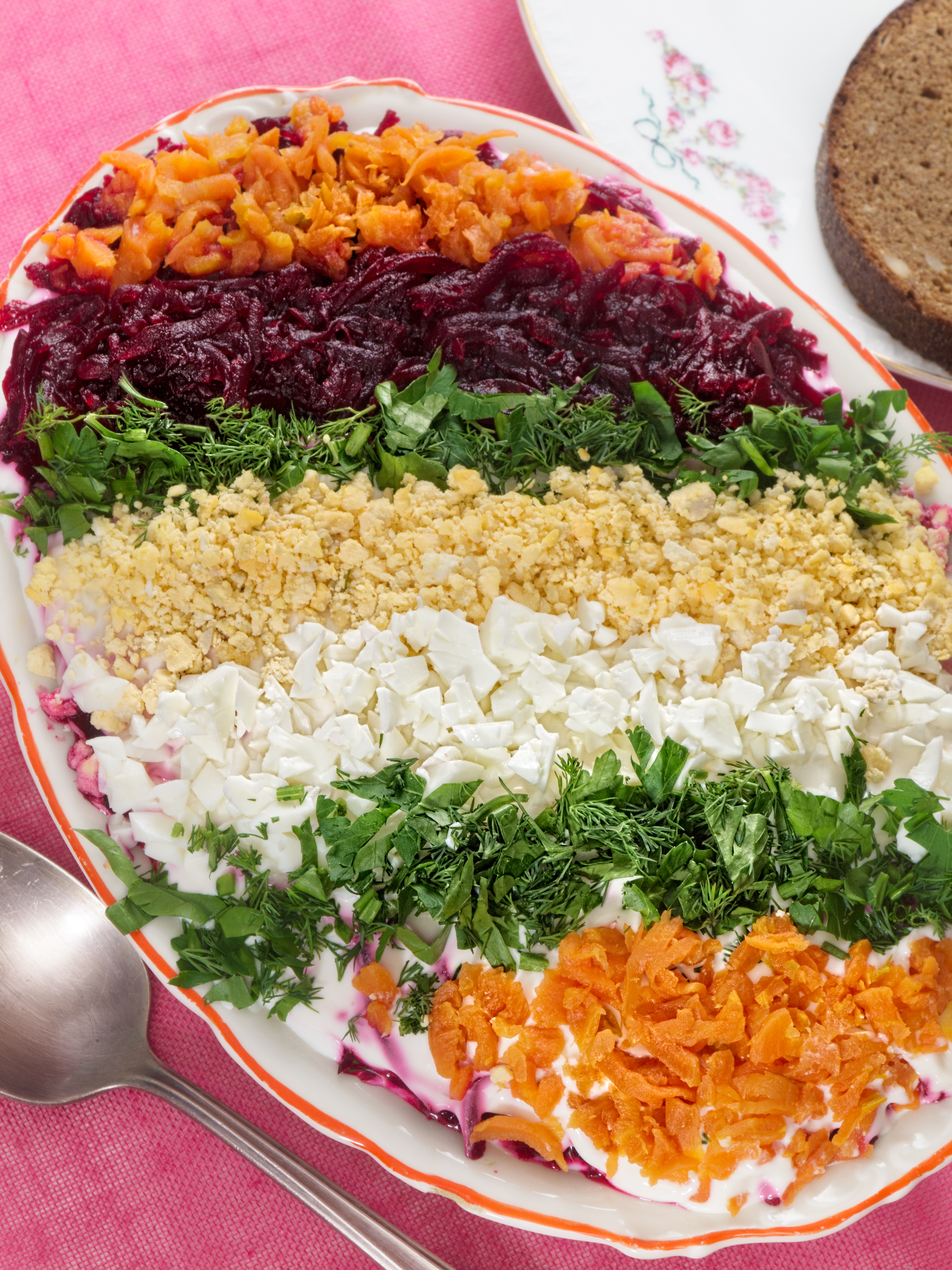
Russia -- New Year’s Eve is the most celebrated holiday in Russia (due to the USSR taking issue with religious holidays), and shuba is one of the most commonly enjoyed foods at this celebration. This layered herring pie is a staple Russian celebratory dish, and is a delicious way to ring in the New Year.
Uruguay -- Budin Inglés, or English pudding, is Uruguay’s version of a Christmas fruitcake dotted with raisins, nuts and candied fruit such as lemon peel. Baked like a fruit loaf, this sweet bread is a special treat for Christmas and into the New Year. Another version is baked bread pudding studded with fruits and nuts.
Uzbekistan -- Salat Oliver is a New Year’s Day dish with Uzbek roots that has also become popular in Russia. This rich chicken and dairy salad is nicely balanced with tangy pickled cucumbers (or gherkins) and capers. It can be served in a variety of ways: as lettuce cups (by spooning the mixture into lettuce leaves), as a topping for cocktail crackers, or as a dip for chips.
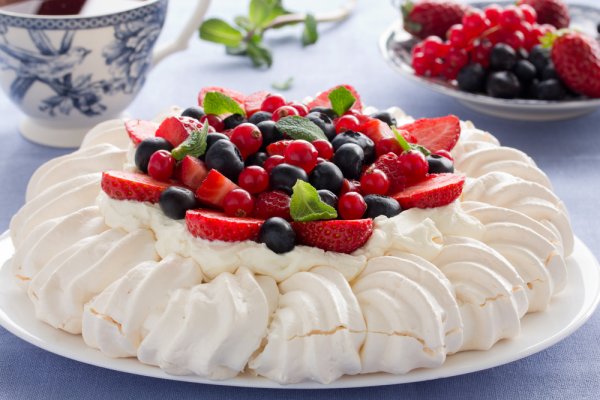 Australia -- An important dish in both Australian and New Zealand cuisines, pavlova is named after the famous Russian dancer Anna Pavlova, who made several tours to Australia and New Zealand in the 1920s. Eaten year-round in Australian households, the dessert consists of fresh fruit and whipped cream served in a "bowl" made of meringue. The largest-ever pavlova was made in 2010 in New Zealand, when a chef created a rugby-themed pavlova 50 square meters (164 square feet) in size.
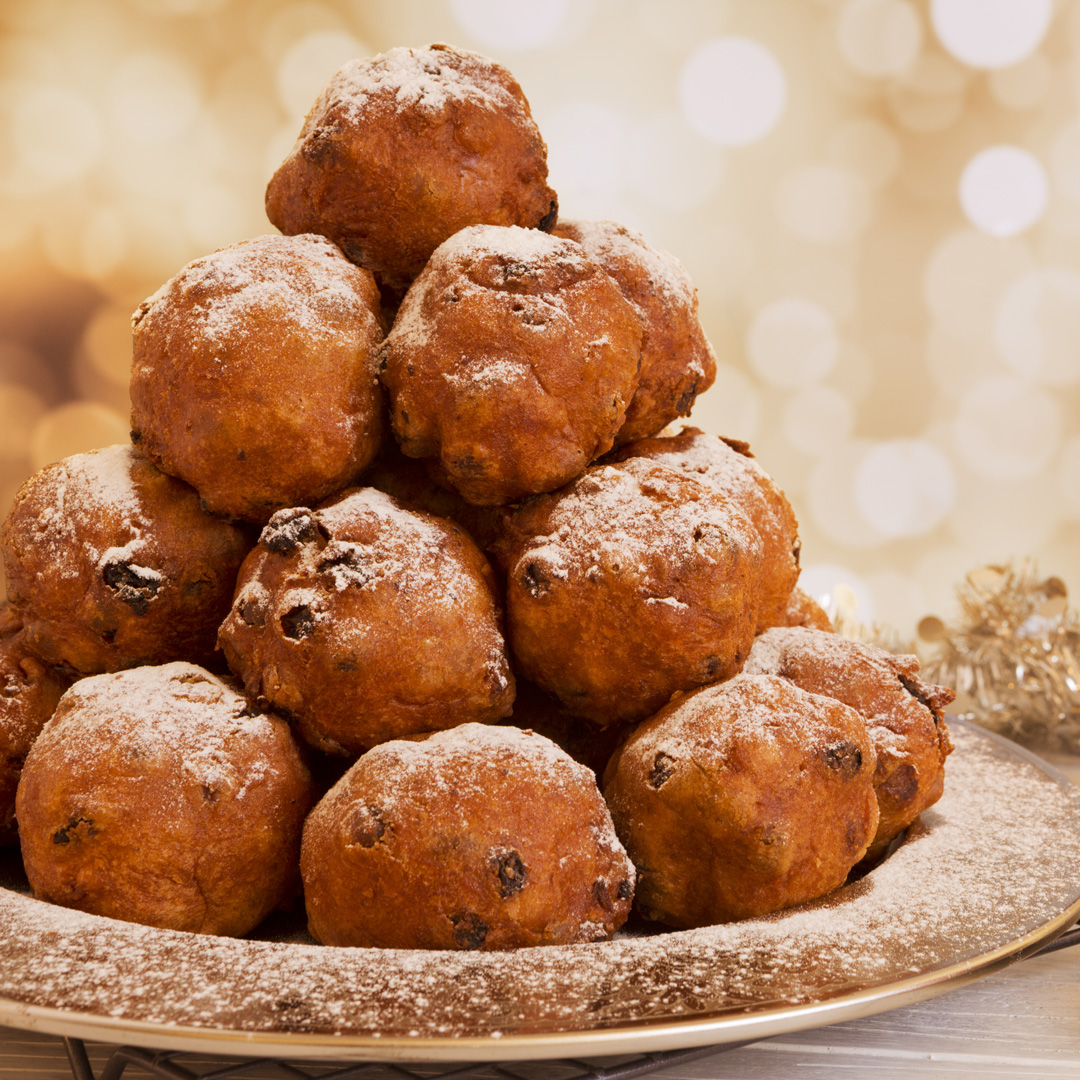 Belgium and the Netherlands -- Oliebollen (oily balls) are deep-fried Dutch doughnuts with raisins and/or apple chunks added to the dough. They are traditionally baked and eaten on New Year's Eve. Legend has it that as the Germanic goddess Perchta offered food to appease evil spirits, she would cut open the stomachs of all she came across. The fat in oliebollen was said to cause her sword to slide off the bellies of all who ate them, so eat oliebollen in self-defense!
 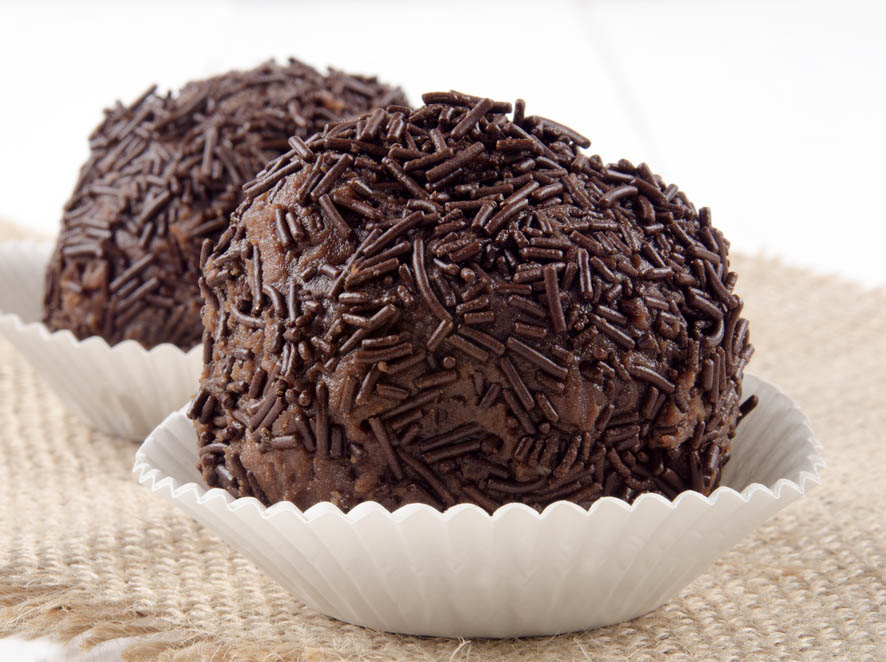 Germany -- These addicting rum balls are a favorite at Christmas and the New Year. Simple to make, they look and taste exquisite, with a crunchy candy exterior giving way to a smooth, buttery center that melts on the tongue. Rumkugeln make a great gift for a host or hostess or can be enjoyed with a glass of red wine or strong coffee. Variations include finely chopped walnuts or almonds.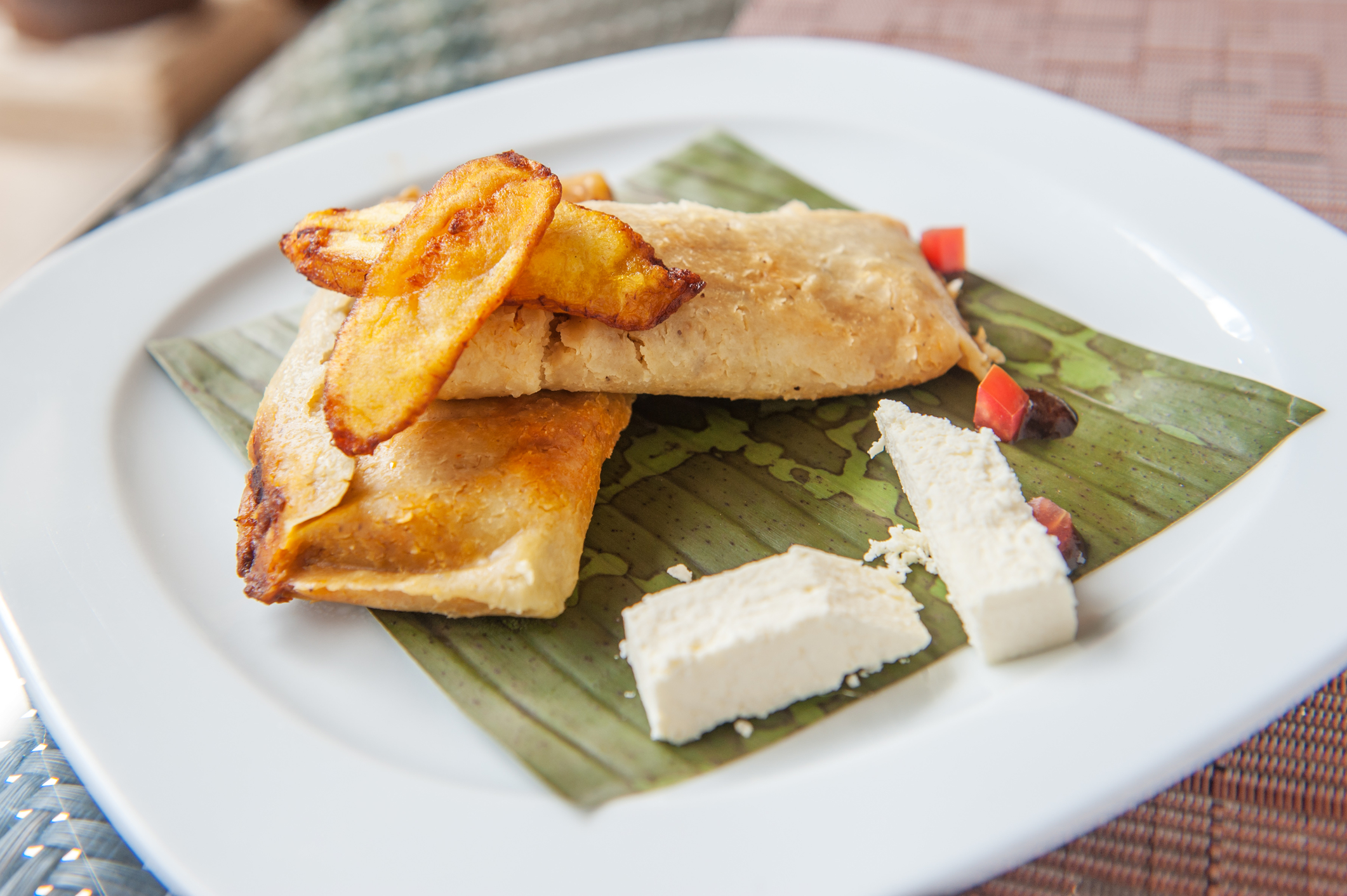
 Namasu